
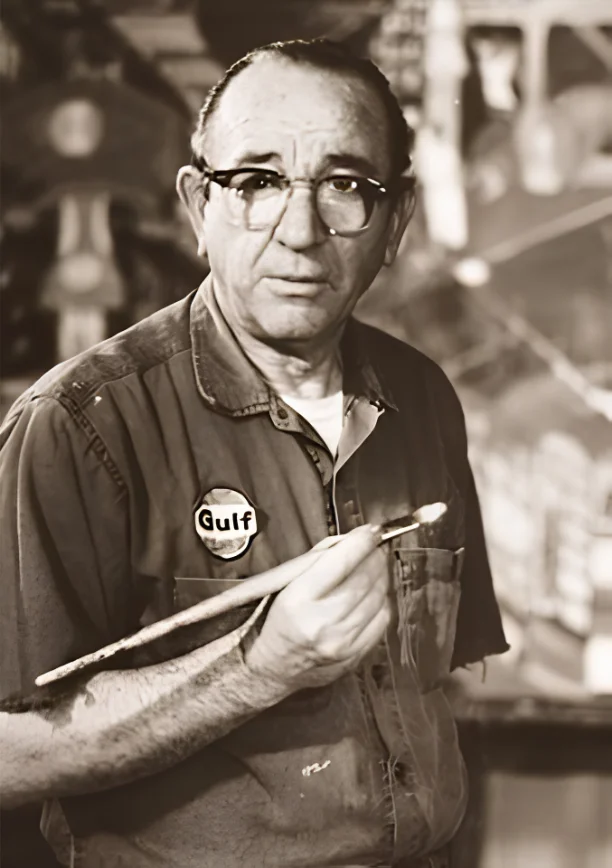
Discover Ralph
Ralph Fasanella painted the America he knew—the working people, neighborhoods, ballparks, factories, streets and struggles that shaped everyday life. A self-taught artist, labor organizer and lifelong New Yorker, he transformed those experiences into vivid, densely detailed paintings that celebrated community while confronting the social and political issues of his time.
His Life, His Art, and the Stories Behind the Paintings
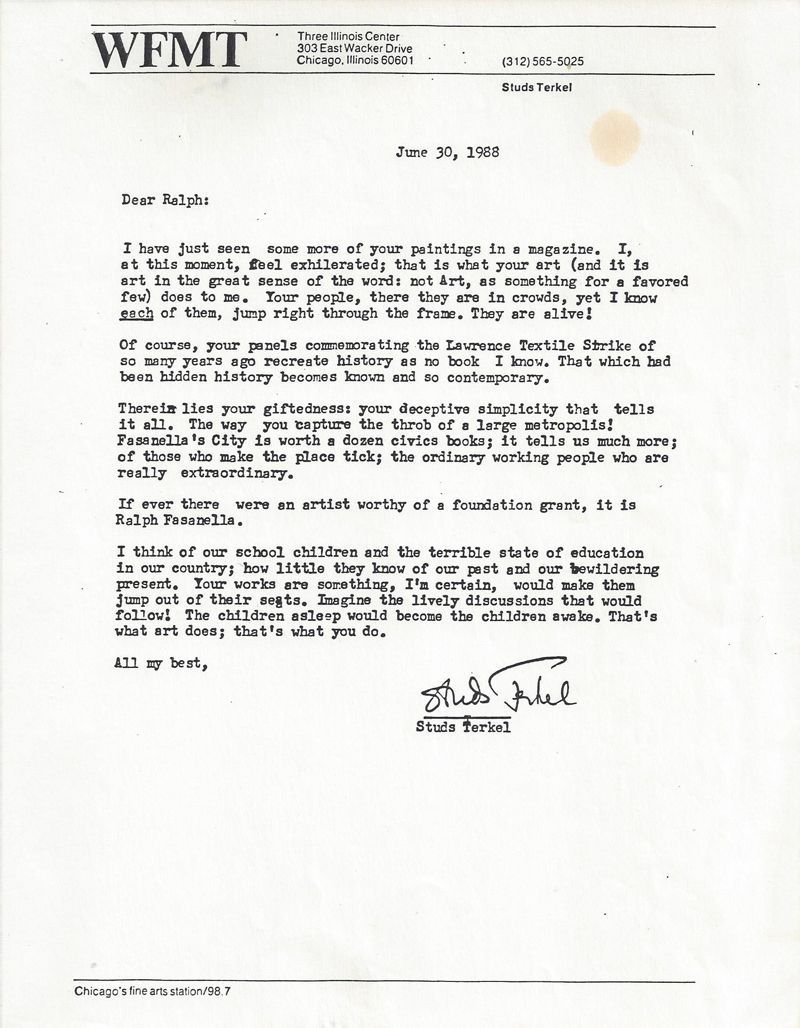
“They Are Alive!” — Studs Terkel on Ralph Fasanella
In a June 30, 1988 letter to Ralph Fasanella, Studs Terkel captured what made Ralph’s paintings so powerful: the people in them seemed to leap from the canvas. “They are alive!” he wrote.
Terkel praised Ralph’s ability to tell the stories of working people and preserve history through his art, concluding: “If ever there were an artist worthy of a foundation grant, it is Ralph Fasanella.”
Image: Letter to Ralph Fasanella from Studs Terkel, June 30, 1988, American Folk Art Museum Archives, New York.
The Working Man Who Became an Artist
Before Ralph Fasanella became known for his paintings, he knew the world he would paint firsthand. He worked as an ice deliveryman, truck driver and gas station attendant, and became a union organizer. The working people he met, the neighborhoods he lived in and the struggles he witnessed would become central to his art.
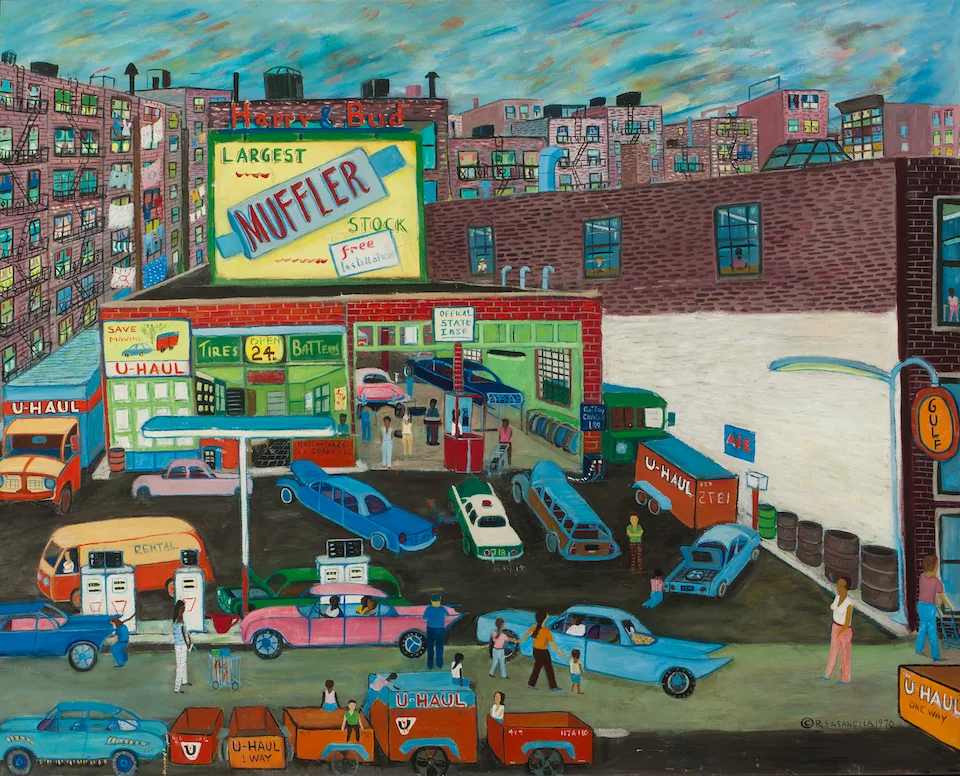
Finding His Voice as an Artist
The Road to Fame Begins at a Bronx Gas Station.
Ralph Fasanella began painting in the 1940s, drawing on the people, places and experiences that had shaped his life. But his paintings weren’t paying the bills. To support himself and his family, Ralph became a partner in a gas station and worked there while continuing to paint. His life changed when his work began to attract serious attention, eventually allowing him to devote himself fully to his art.
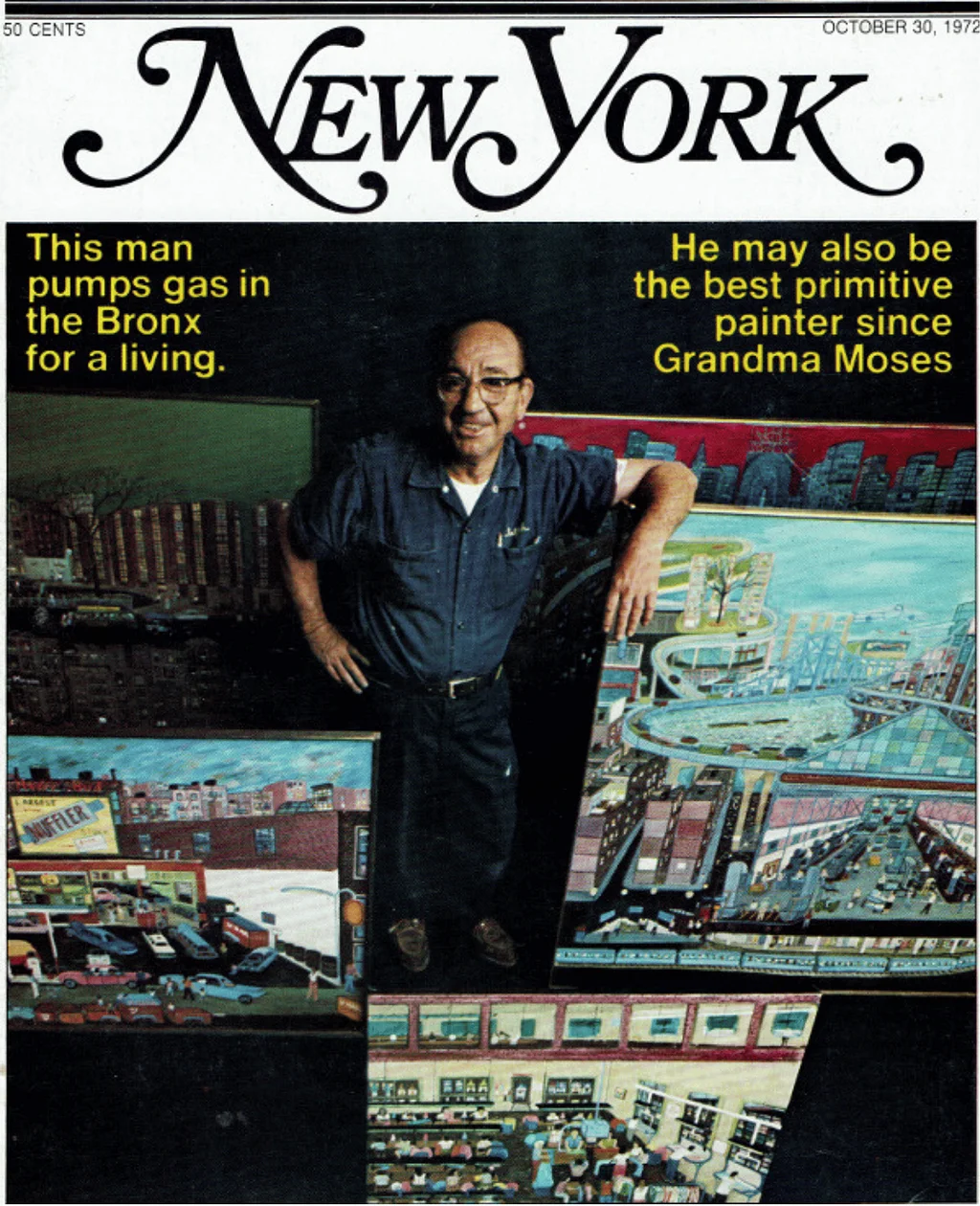
A Breakthrough Moment
A 1972 New York magazine cover featuring Ralph Fasanella and his work helped introduce him to a much wider audience. A self-taught artist who had spent years painting while earning a living outside the art world, Ralph was gaining national attention and recognition for his extraordinary chronicles of working-class American life.
New York magazine, October 30, 1972. Cover featuring Ralph Fasanella.
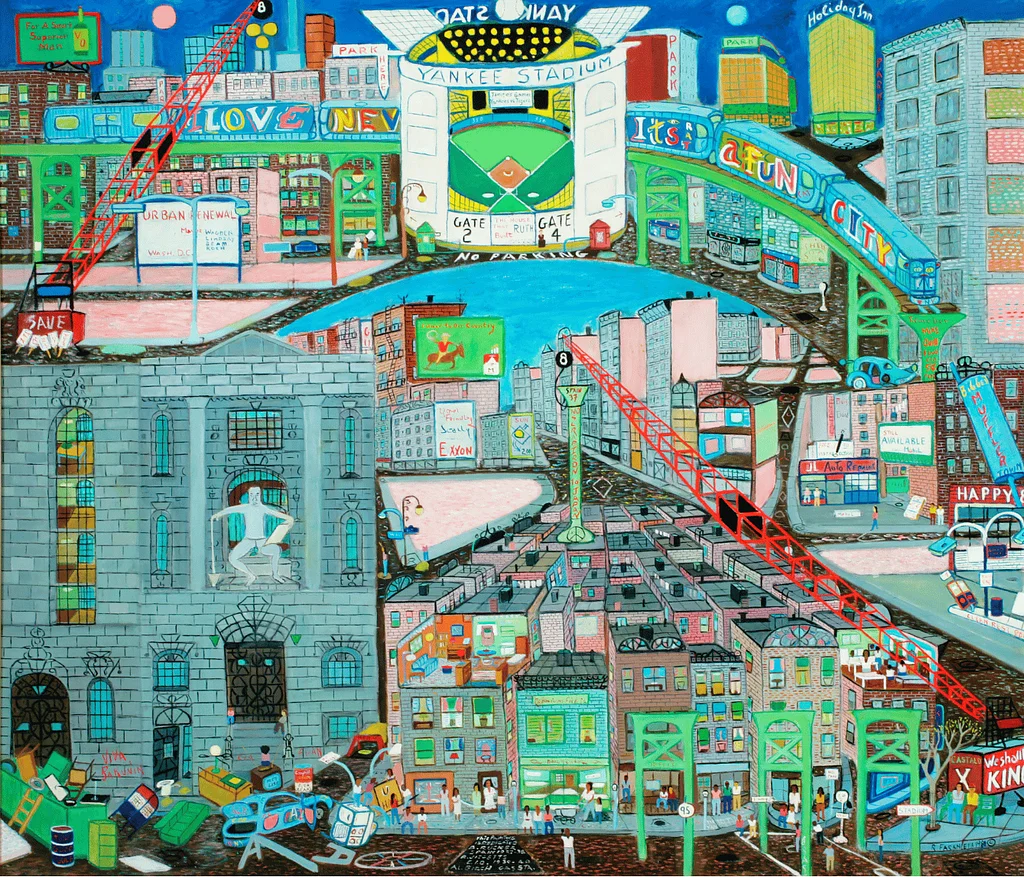
His City: I Love New York
The Art of Loving New York.
New York was Ralph Fasanella’s city — the place where he was born, worked, organized, lived and painted. Its neighborhoods, streets, ballparks, buildings and working people became recurring characters in his art. In I Love New York, Ralph transformed the city into a dense, exuberant portrait filled with the places and people that shaped his life.
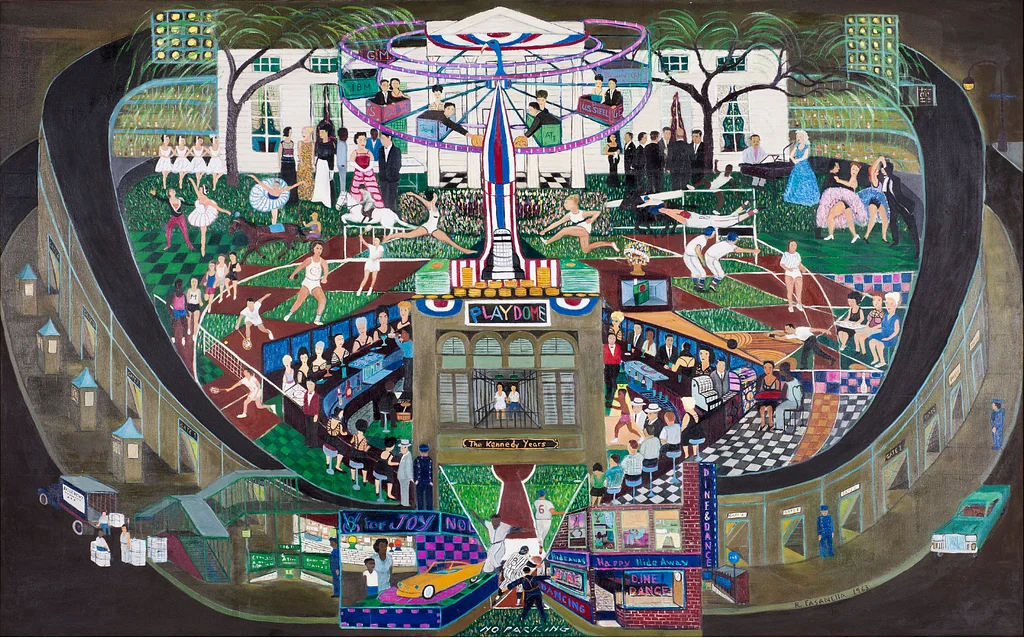
The Kennedy Years
A President. A Painter. An American Moment.
The Kennedy Years reflects the optimism, spirit and promise of America during the presidency of John F. Kennedy. Ralph Fasanella filled the painting with scenes of politics, public life and everyday Americans, turning a defining period in the nation’s history into one of his sweeping visual chronicles.
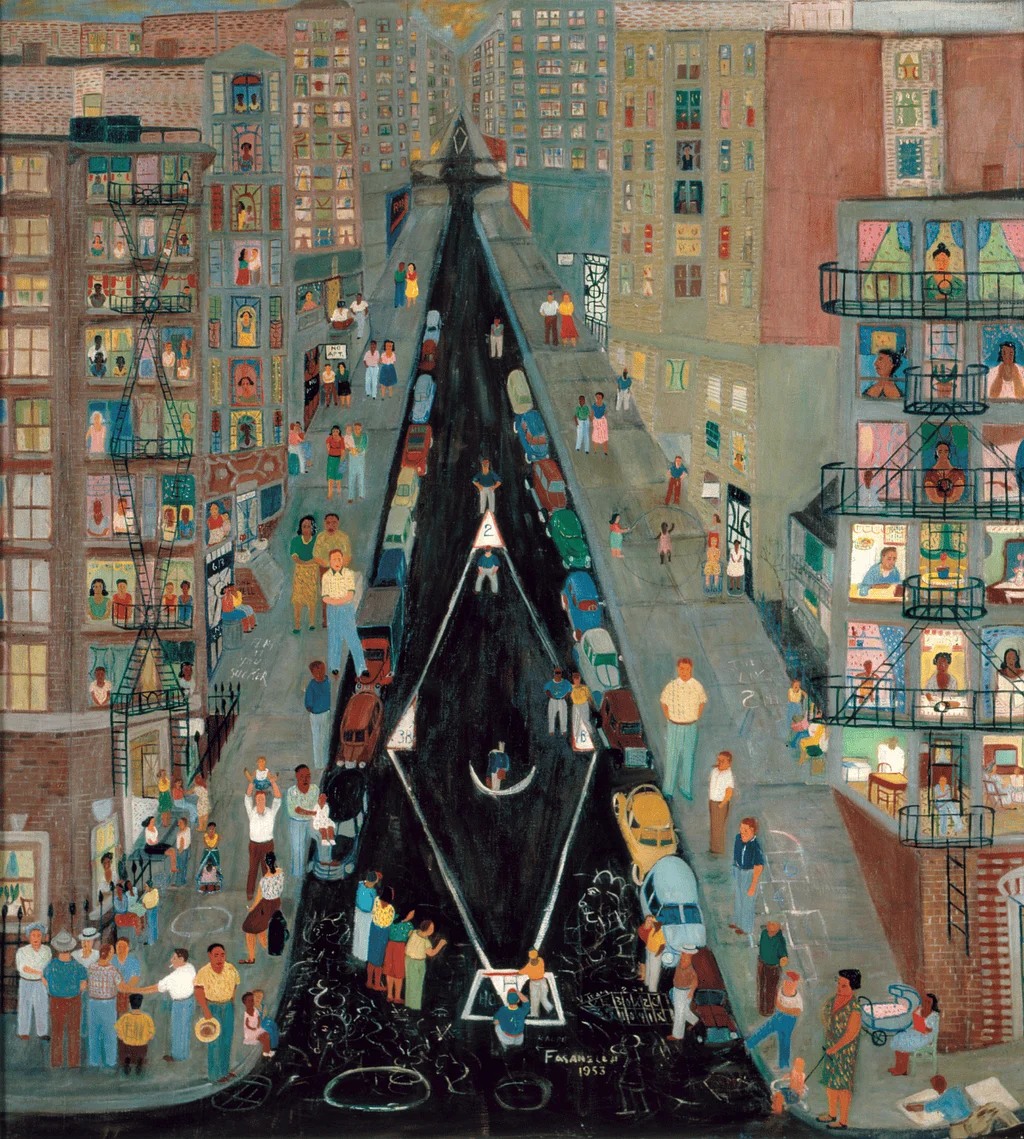
Sunday Afternoon: New York at Play
The City That Never Sleeps Doesn't Stop on Sundays.
Sunday Afternoon captures the life of a New York neighborhood at street level — children at play, families on stoops, neighbors gathering and the city unfolding around them. Ralph Fasanella turned everyday scenes like these into sweeping portraits of community, preserving the energy and humanity of working-class New York. Among those scenes is the stickball game that inspired our “I Love NYC Stickball” design.
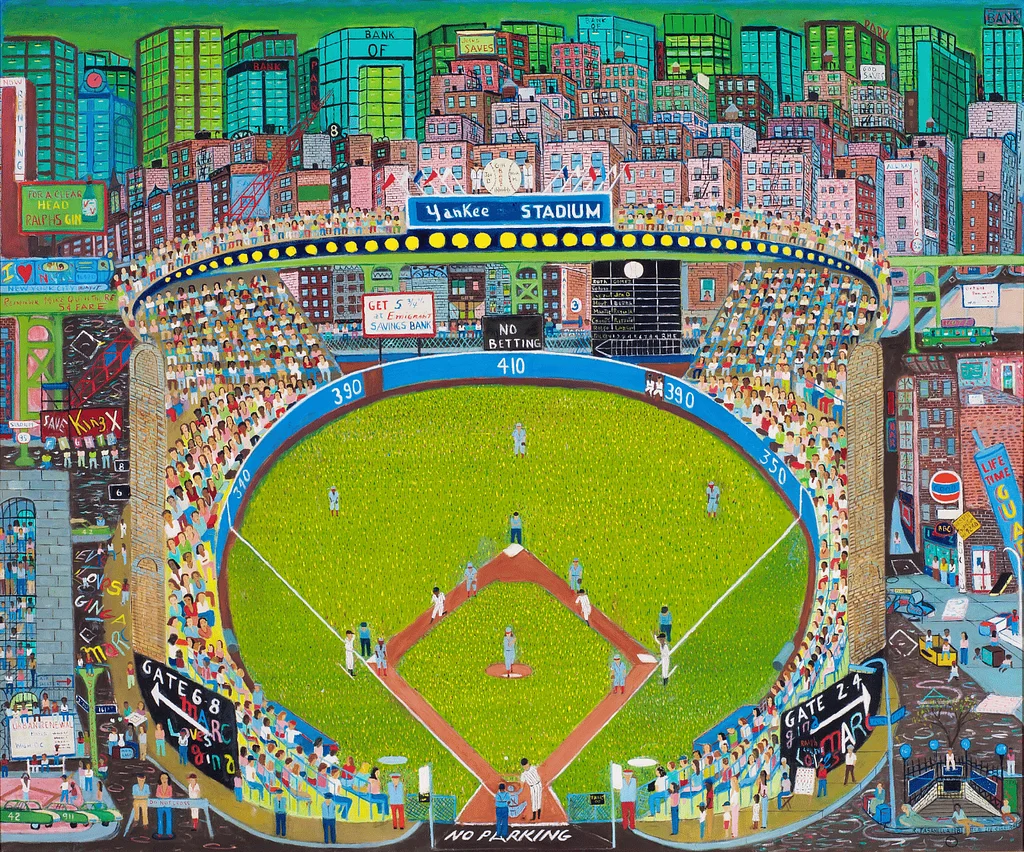
Baseball: Night Game — Yankee Stadium
The House That Ruth Built Is the House That Ralph Painted.
Baseball was one of Ralph Fasanella’s great passions, and Yankee Stadium became one of his recurring subjects. In Night Game — Yankee Stadium, Ralph created his own exuberant vision of the ballpark and the surrounding Bronx, filling the scene with fans, streets, signs and city life. It captures baseball not simply as a game, but as part of the life of New York.
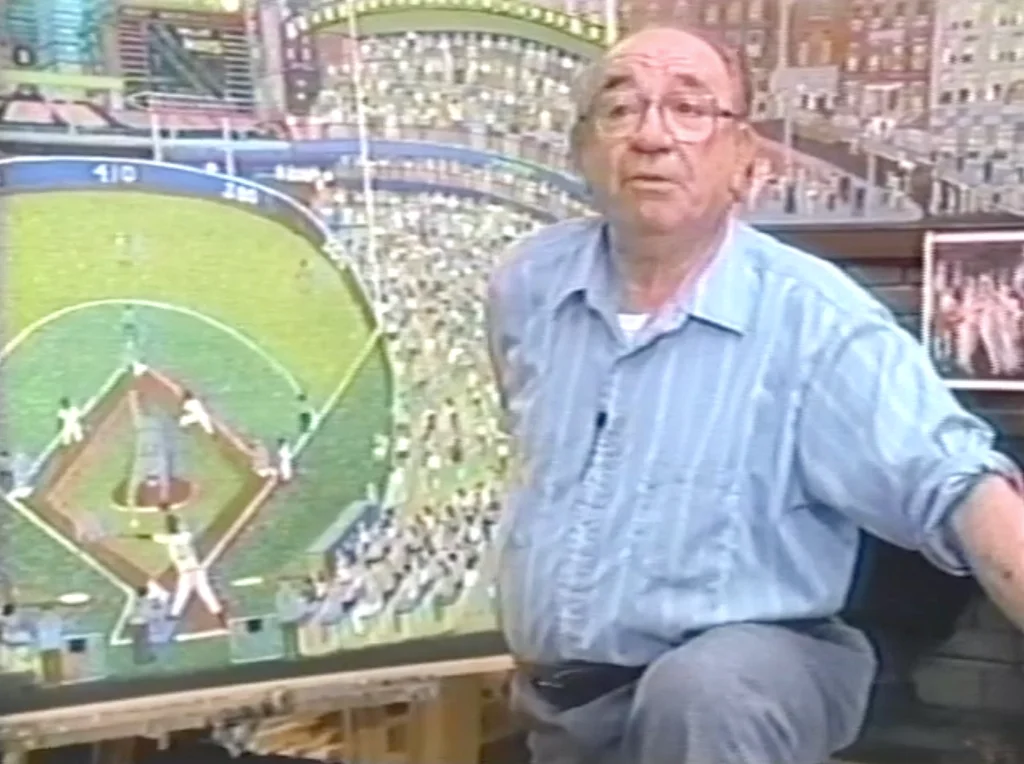
Ralph Fasanella on Baseball and the American Experience
In the 1989 PBS documentary Forever Baseball, Ralph Fasanella joins a distinguished group of voices — including John Updike, Doris Kearns Goodwin and Stephen Jay Gould — reflecting on baseball and its place in American life. Speaking in front of one of his baseball paintings, Ralph talks about the game’s meaning for immigrants and their children and about baseball as part of the American experience.
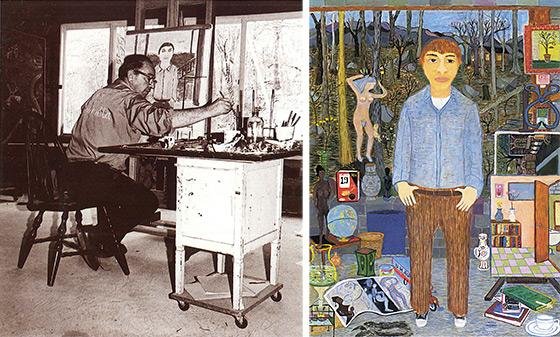
Marc Fasanella: Preserving a Remarkable Legacy
Images: Courtesy of Marc Fasanella.
Marc Fasanella found his own path in the arts. After studying art, architecture and design, he realized that painting was his father’s particular passion and developed his own creative and academic life. As an educator, curator and scholar—and as Ralph’s son—Marc has helped preserve and interpret his father’s artistic legacy.
In a Smithsonian American Art Museum interview, Marc offers an intimate portrait of his father: the working man and intellectual, the passionate painter, and the deeply engaged father whose art reflected the people and times around him.
Explore Ralph Fasanella at Museums.Co
Ralph Fasanella painted the people, places and experiences that shaped everyday American life. Through our friends at American-owned Museums.Co, you can bring the color, energy and stories of his remarkable paintings into your home or workplace — or share them as a gift.
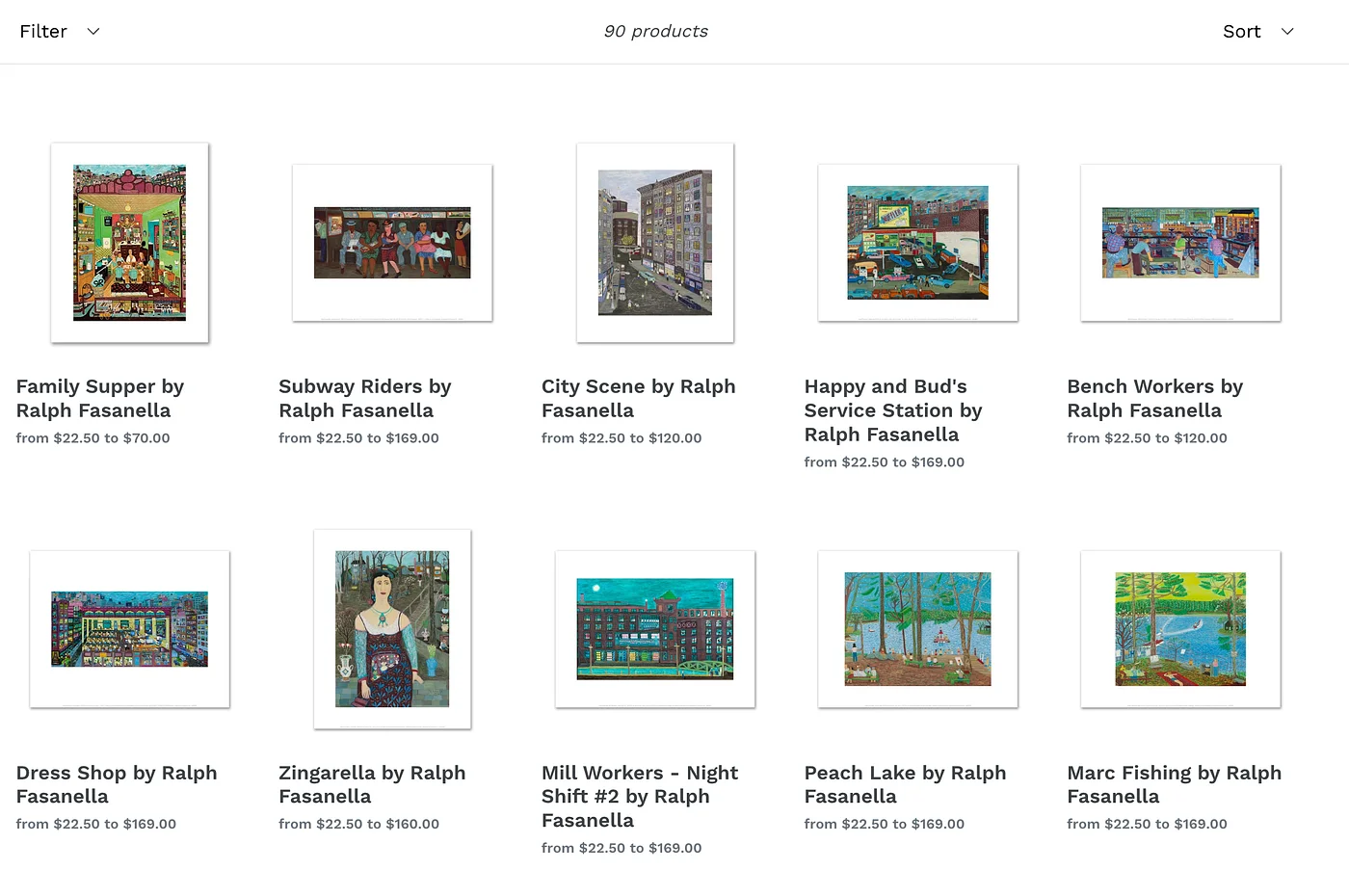
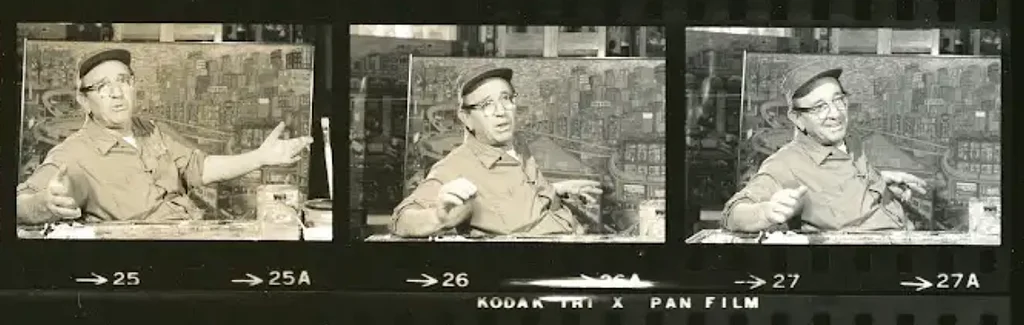
Ralph Fasanella at the American Folk Art Museum
Discover Ralph Fasanella’s remarkable life and work through the American Folk Art Museum, home to the largest public repository of his art and archival materials.
Licensing & Image Credits
Celebrating Fasanella features artwork by Ralph Fasanella under license from the Estate of Ralph Fasanella. Select images and archival materials appear courtesy of their respective institutions and sources.